Behavior Science · 10 min read
The Value of the Place Command
By Ryan Loseke · CPDT-KA Certified Professional Dog Trainer ·
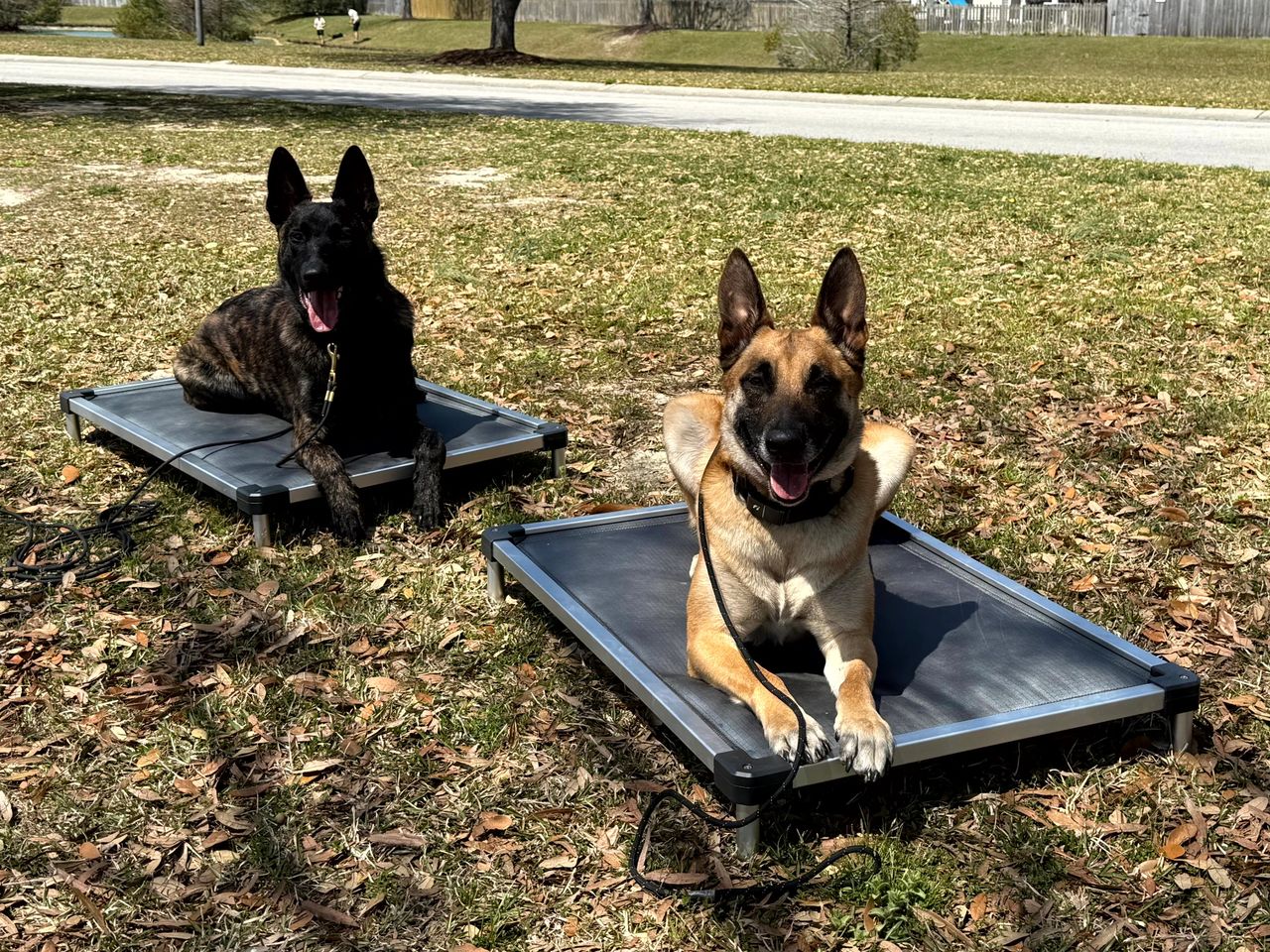
Place is not about control. It is about communication. It gives your dog a clear job when nothing else is happening and teaches them how to disengage from the environment without anxiety. When dogs understand where to go and what is expected of them, behavior changes at the emotional level, not just the obedience level.
Why Teaching Calmness Matters More Than Teaching Commands
Many dogs that struggle in the home are not disobedient. They know sit. They know down. They might even have a solid recall. What they lack is the ability to turn off.
Without structure, dogs feel responsible for monitoring the environment. That responsibility often shows up as pacing, barking, hovering, or constant attention-seeking. These behaviors are not defiance. They are signs of uncertainty.
The place command removes that uncertainty. It tells the dog, clearly and consistently, that they are not responsible for managing the house. Your leadership does that. Their job is simply to go to place and remain there until released.
This is why place is such a powerful tool for calming anxious dogs and stabilizing family dogs. It creates predictability, and predictability builds confidence.
What is the difference between stay and place?
Stay asks your dog to hold a position and wait. Place gives your dog a designated spot to settle until released.
Stay is a temporary obedience command. It asks the dog to hold position and wait. Place is a long-duration behavioral skill. It gives the dog a destination and an expectation of mindset once they arrive.
On place, the dog is not waiting for constant feedback. They are learning how to exist calmly without engagement. That independence is critical. Dogs that never learn how to disengage often struggle the most in busy households.
Place teaches dogs how to relax on their own. That is not achieved through force or repetition. It is achieved through clear communication, proper reinforcement, and fair expectations.
How do I start teaching the place command?
Place training should always start with reward-based learning. The dog needs to understand the task before any accountability is introduced.
Early sessions are about clarity. You guide the dog onto the place bed using food luring or light leash pressure. The moment all four paws are on the bed, you mark with a continuation marker like YES and reward calmly. The release, marked with FREE, comes quickly in the beginning. These short reps teach the dog how to win.
As understanding improves, calmness becomes the focus. Rewards are given for relaxed posture, soft eyes, and disengagement, not just for being physically on the bed. This is where many owners get stuck. They accidentally reward anticipation or release dogs while they are whining, which teaches the wrong lesson.
Whining is information, not disobedience. If a dog whines and is released, whining becomes the strategy. If calm behavior is consistently rewarded and only calm behavior earns the release, the dog learns exactly what works.
Once the dog clearly understands the place command, calm, fair accountability can be introduced if needed. This is not punishment. It is communication. A quiet verbal marker like NO paired with gentle leash pressure, immediately released when the dog complies, reinforces clarity without creating stress. Accountability only works when the dog already understands the task.
Using the Place Command in Everyday Life at Home
The real power of the place command shows up in daily life, not during formal training sessions.
During meals, place gives your dog a clear role before food preparation even starts. During guest arrivals, it prevents jumping and chaos by providing structure ahead of excitement. During busy household moments or holidays, place allows dogs to observe without becoming overstimulated.
Boundaries matter here. A dog’s place bed should be respected by everyone in the home. Children should not climb on or engage a dog while they are in place. That space needs to remain predictable and neutral so the dog can truly relax.
When applied consistently, place changes how dogs move through the home. They begin choosing calm because calm has been clearly reinforced over time.
When to Work With a Professional Dog Trainer
Some dogs struggle to disengage due to anxiety, past learning history, or inconsistent communication. If your dog escalates emotionally, guards space, or cannot settle despite consistent reward-based work, it is time to seek professional help.
Working with a professional dog trainer in Sneads Ferry, NC allows these issues to be addressed safely and ethically. Getting help is not failure. It is responsible leadership and often prevents small issues from becoming larger ones.
The Real Value of the Place Command
The place command is not about making your dog stay in one spot. It is about teaching your dog how to exist calmly in a human world that never stops moving.
When dogs understand what is expected, how to earn rewards, and when they are finished with the task, behavior improves without frustration or force. Calm is not commanded. It is built through clarity, consistency, and fair leadership.
That is why the place command remains one of the most valuable skills in professional dog training, and why it plays such a central role in building calm, confident, reliable family dogs.
About the author
Ryan Loseke is a CPDT-KA Certified Professional Dog Trainer (verify with the CCPDT) and the founder of Pawprint Academy, creator of the TOP Framework™ (Trust. Obey. Perform.).
Not sure where to start with your dog? Take the free 2-minute training quiz or book a 1-on-1 consult with a certified trainer.